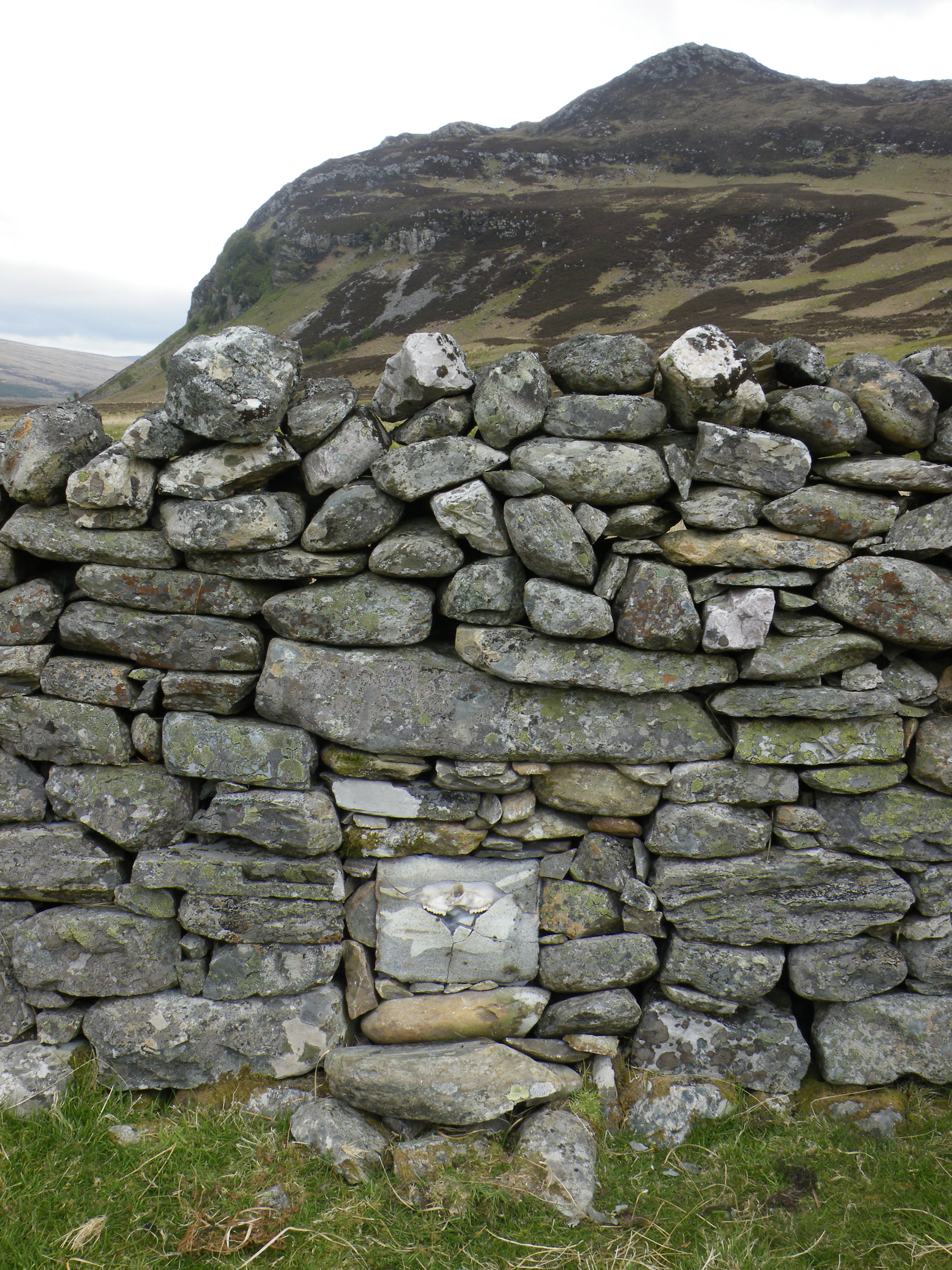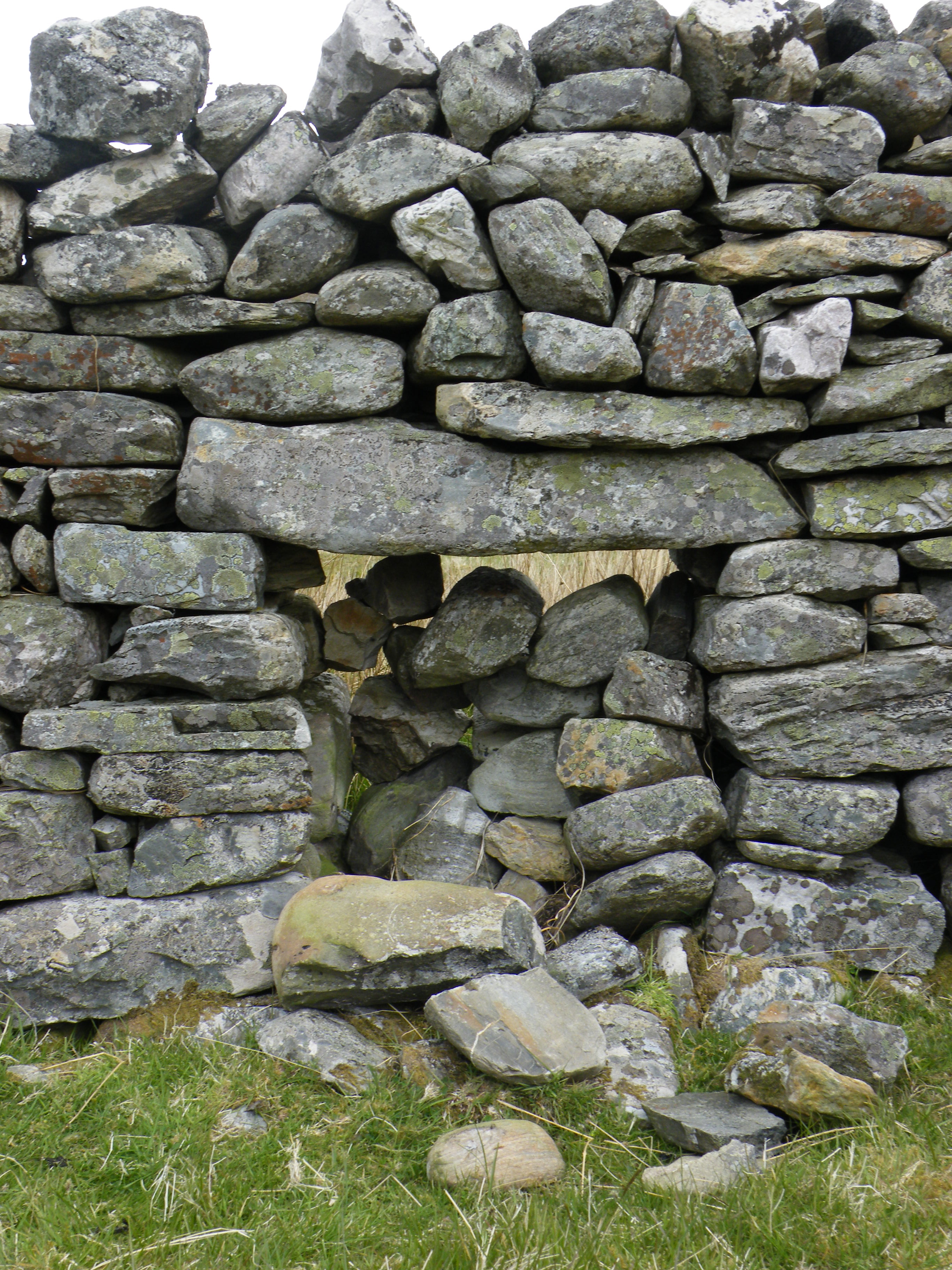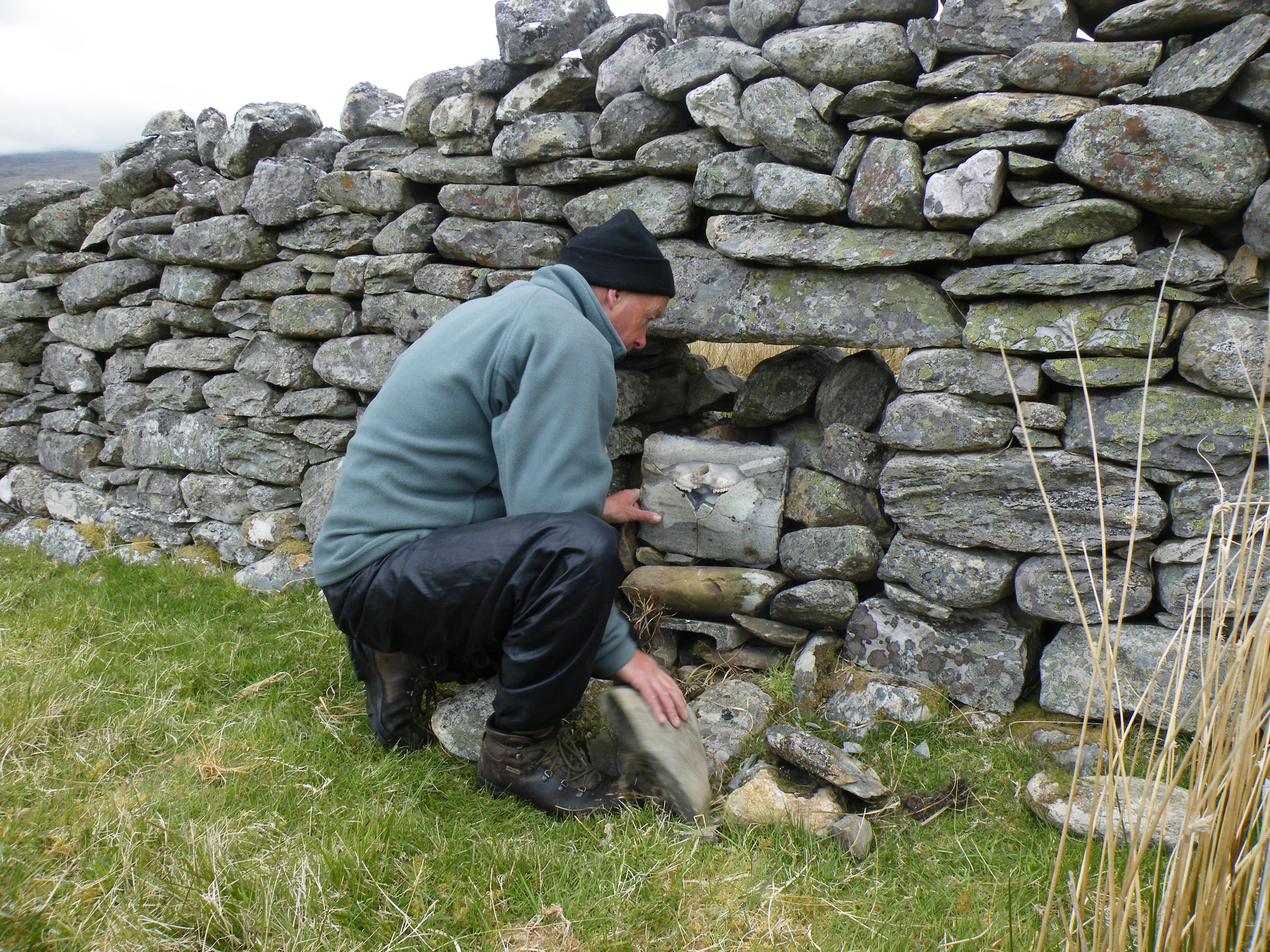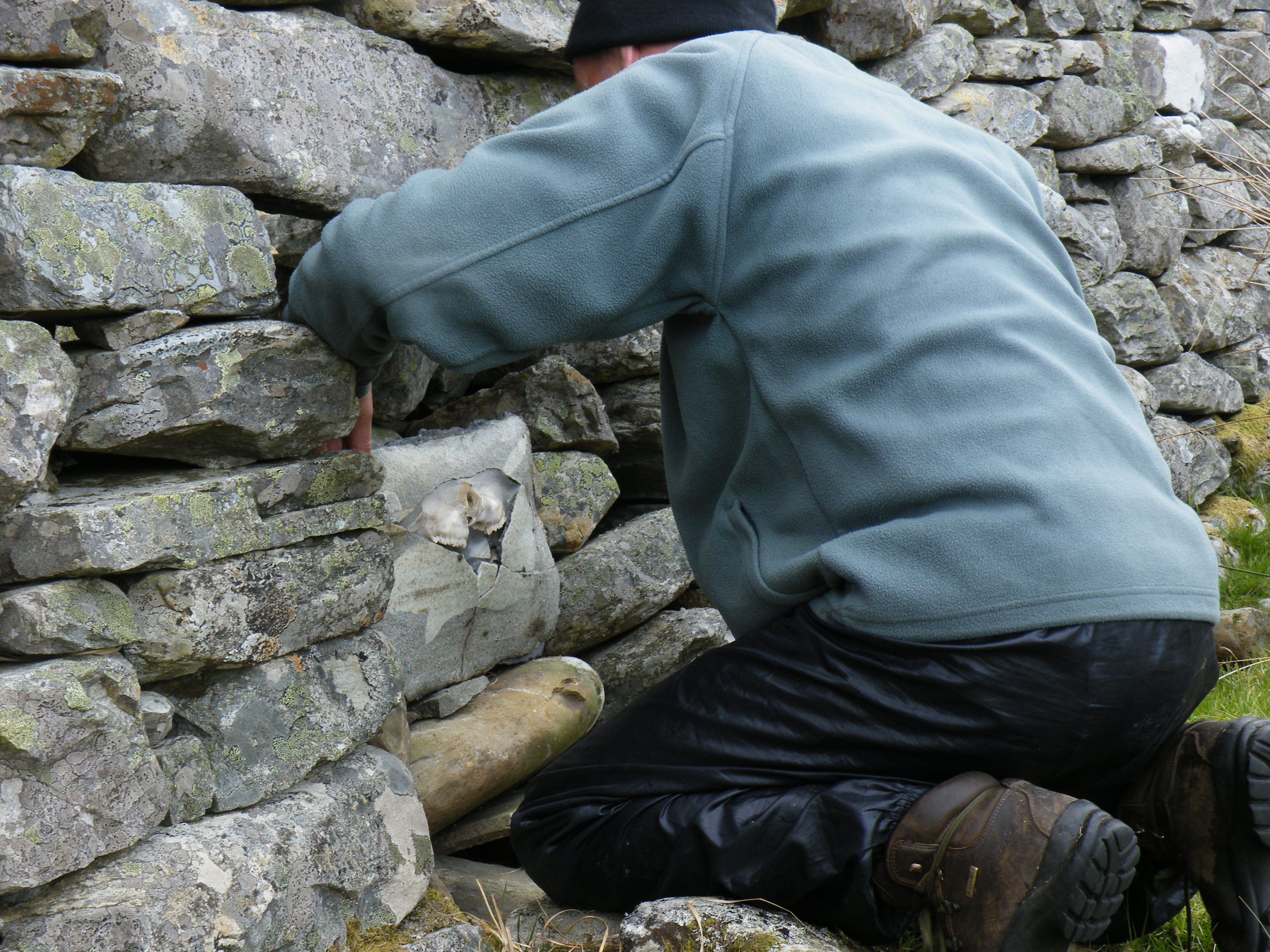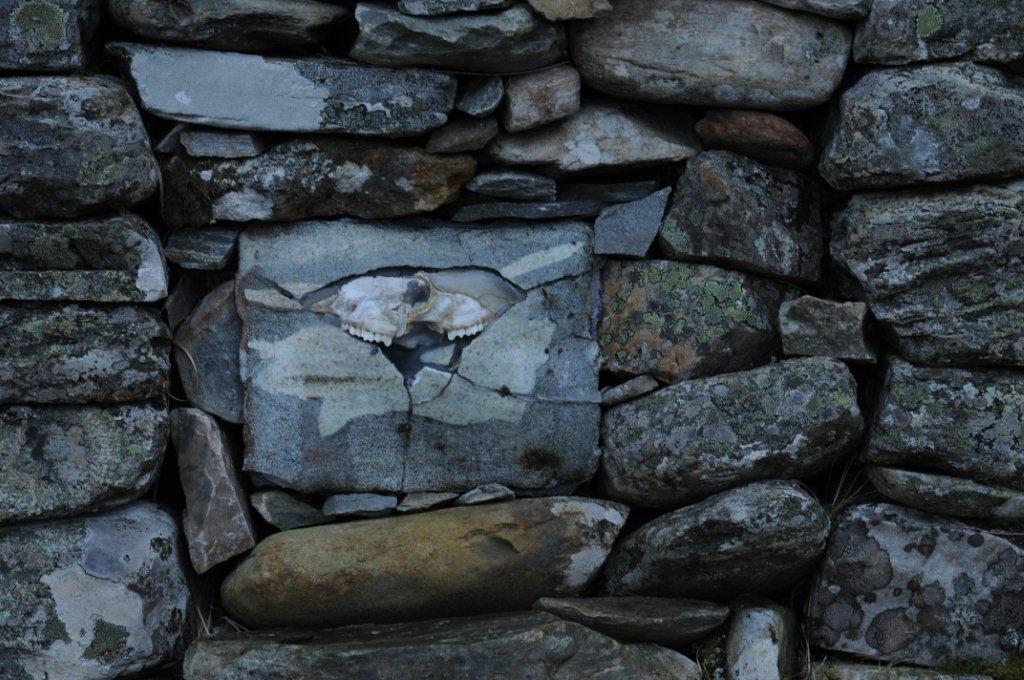
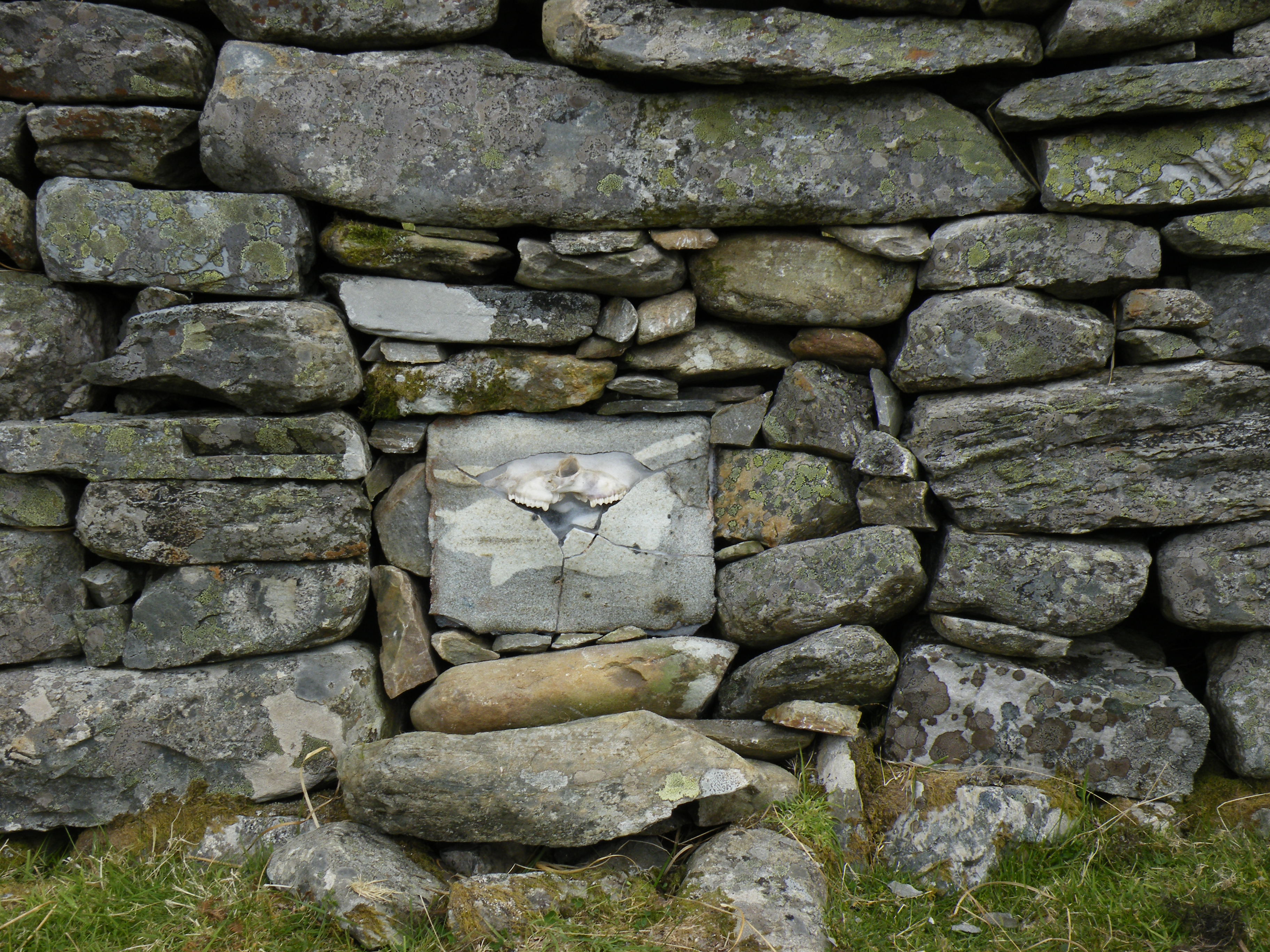
"This sense of abandoning things in the landscape, or returning things to the landscape, has been a continuing theme right the way throughout all of the four decades, and it's still part of the artist's process. Several bookworks made by Marshall Anderson were returned to the landscape later by aitch."
"when Marshall Anderson started to live outside, he deliberately didn't use a camera at all. He decided to go back to the basics of artistic tradition and draw. Through drawing Marshall Anderson could say more about a situation outside then a photograph could. So Marshall Anderson's work was actually quite different in construction and intent to Pete Horobin’s work. And the bookworks then that Marshall Anderson made in the landscape were very much to do with that emotional response to the land, which was actually very romantic"
"One artist who Anderson documented was an artist called Lotte Glob, whose father was PV Glob, who wrote a very famous book called The Bog People. When Marshall Anderson met her, she was living in Durness as an independent ceramicist. And a lot of her work was based in the landscape, and it was very similar to Marshall Anderson's work. But Marshall Anderson knew absolutely nothing about Danish avant-garde art and contemporary art. So he was introduced to CoBRA by Lotte Glob. This was a big eye opener to Marshall Anderson who knew nothing about all of these people you know, so Lotte Glob influenced Marshall Anderson very strongly, I think, in the way that he started to draw, in the way he started to consider the Scottish landscape and the kind of books that he made, and the books that he made with Lotte Glob. They did quite a number of collaborative bookworks. And a lot of these collaborative bookworks were put back into the landscape, they were sent back into the landscape"