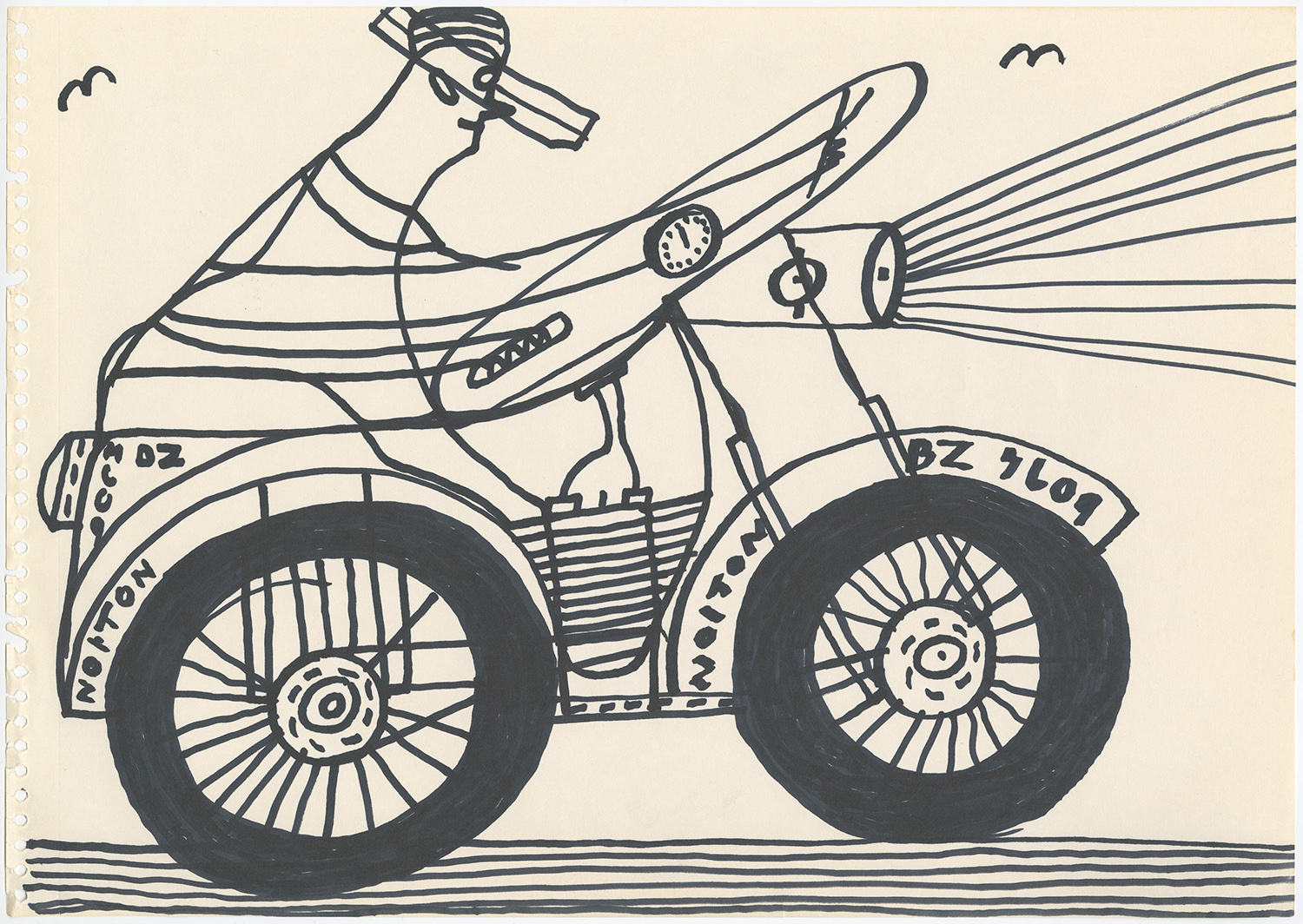
James Finlay was born in 1927 on a farm near Saintfield, Co Down in Northern Ireland. His father was born in Joyce Street, Belfast and died in 1970 at the age of 74. His mother lived to be 90 years of age and died in 1989. James has two brothers, Thomas and John, who live in Hillsborough and Saintfield, and two sisters, Cynthia in Australia and Margaret in Saintfield. James’ father purchased seventy acres in 1937 from David Hanlon on which he cultivated corn, potatoes, turnips and flax. Twenty cows had to be milked by hand until machine-milking took over in the 1960s. James was employed on the farm and recalls working with a pair of Clydesdale horses. He diversified into livestock haulage with his brother operating one lorry taking cattle to the ferry ports of Ulster from farms south of the border as well as locally. James enjoyed travelling and recounts a happy memory from 1950 when he visited Devon and Exeter in the company of the Young Farmers’ Club. At the age of 27 James was referred to Downshire Hospital where he was diagnosed as schizophrenic. He stayed there for seven years then lived at home for seven years before being readmitted to Downshire in 1968 at the age of 41. By the time his mother died the farm had been reduced to 50 acres. James, however, not being of sound mind, was unable to take up his inheritance so the farm was sold and the proceeds divided equally between his siblings. James was finally released from Downshire Hospital in 2001 when care-in-the- community schemes were considered by accountants to be a more cost effective way of dealing with the mentally ill. James could afford the relative luxury of a residential care home in a coastal village spending his weekends with Margaret in Saintfield. He had been institutionalised for a total of forty years. During his second period as a long-term patient in Downshire, James began to draw with pencils and crayons as part of an art therapy course. He had not made art before and now tried watercolours but preferred marker-pens which he continues to use filling A3 sketchpads with recurring images of tractors, motorbikes and rural scenes. Motor cars, lorries, sailing ships and birds are also drawn with frequency. For most observers James Finlays’ art is child-like, extremely naïve and funny. It is naïve in that it carries a strong narrative and is reminiscent in character. It relies on a direct, uninhibited graphic style and makes use of aerial perspective to communicate the sense of place. It is humerous in that it conveys an expression of joy – a love of the countryside, the thrill of riding a motorbike, the pride of being a good ploughman. It is only child-like in that it shares with child art an informal and intuitive method of communication through images and words. It is not, however, child-like in respect of its contained knowledge and detailing for when an adult artist makes art (albeit in a naïve style) he or she refers to, and draws from, a lifetime’s knowledge and experience which a child does not have. A re-examination of the detailing within a James Finlay drawing reveals an intimate knowledge of the workings of harnessing, a motorbike’s mechanics, and a tractor’s mechanical specifications. At the age of 67 James Finlay had his first one-man exhibition, Past Times, in the Down Arts Centre, Downpatrick. It comprised a collection of marker-pen drawings and sold well. Notices appeared in the local press and Raw Vision, the international magazine for Outsider Art. The latter was taken note of by Brian Dowdall, an American artist I met in Scotland. Knowing I was coming to Ireland to commence this research he sent me a photocopy which prompted me to contact Downshire Hospital and to set up an introductory meeting with James. Text by Peter Haining.